Know WhatYou’re Looking AtIn Nature.
Point your camera at any plant, tree, flower, bird, insect, or animal. Get a full identification in seconds — with key features, habitat info, and regional range. Just ask, “what is this?”
Free to start · 5 free IDs a day · iOS & Android
Results are AI-generated and for informational purposes only. Not a substitute for expert advice. Terms of Use


Your Nature Questions, Answered in Seconds
Whatever you find outdoors, get the full story — species, habitat, and range.

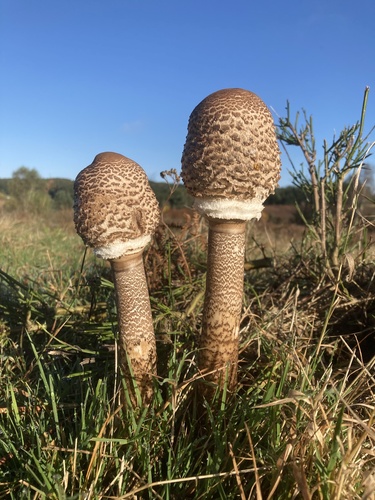
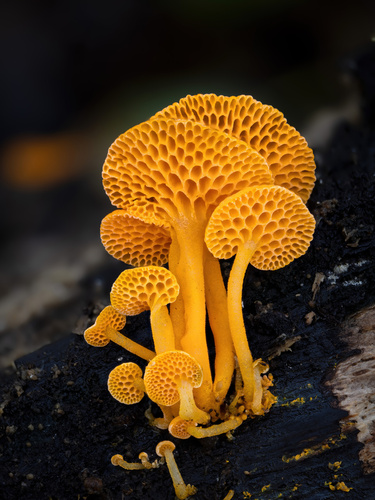
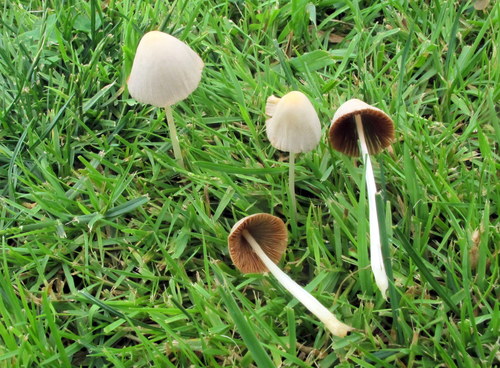
"What mushroom is this?"
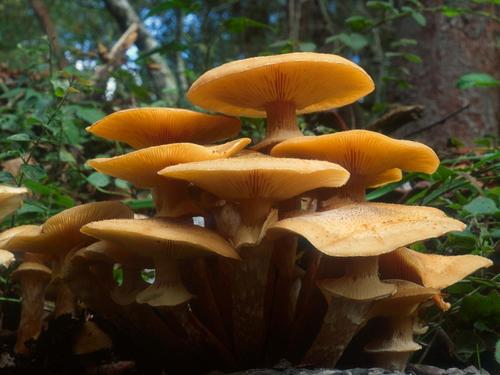
Get the species name, key identifying features, and known lookalikes so you can tell them apart. Learn what you're looking at — with habitat and range for every fungus.

"What animal is that?"
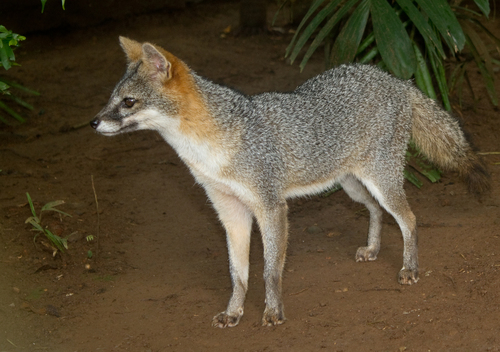
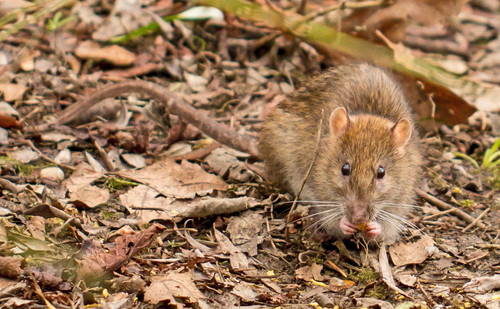
Get the species name, habitat, and behavior. Animal results include reference photos and field recordings so you can recognize it by sound the next time.

"Is this plant native here?"
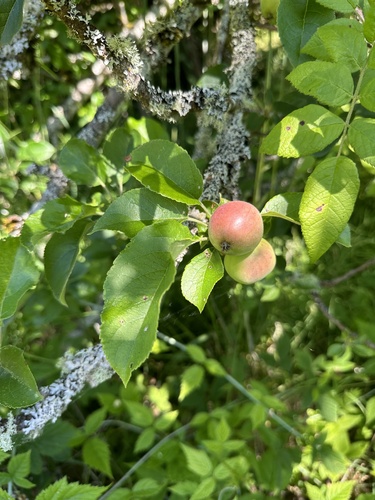
The Regions tab shows native range, invasive spread, and nearby observations from iNaturalist — so you understand what you're looking at and where it belongs.
From Photo to Full Field Report
The same five-step flow — for every category. Tap or wait to cycle through.
Find Out What’s Around You — Before You Hit the Trail
The Discovery tab lets you explore and learn about species from all over — filtered to what’s in season near you right now. Browse iNaturalist data and identifications from other Spotter users to get familiar with what you might encounter before you head out.
- See what species are being spotted near you
- Filtered by season — what's active right now
- Browse by category — plants, animals, fungi, and more
- Reference photos and field recordings for every species
- Key identifying features at a glance
- Learn from iNaturalist data and other users' identifications

From the Blog
What Is the Big Black Snake in My Yard? Identifying Rat Snakes and Black Racers
A long, glossy black snake stretched across the patio, climbing a shed wall, or vanishing into the woodpile is one of the most common — and most alarming — reptile sightings of late summer, right as this year’s hatchlings start turning up. The good news is that the big black snake in most yards is a harmless rat snake or black racer, not something to fear. Here is how to tell the two apart, separate them from the venomous snakes people worry about, and understand why a black snake around the yard is usually a sign of good pest control at work.
What Is the Giant Insect With Huge Pincers at My Porch Light? Identifying the Dobsonfly
On a warm late-summer night a huge, prehistoric-looking insect thumps against the porch light — several inches long, with soft gray wings folded over its back and a pair of enormous, curved pincers on the male that look like they belong on a beetle three times the size. It looks like something that should be dangerous, but the eastern dobsonfly is one of the more harmless giants in the insect world. Here is how to identify it, why it turns up at lights this time of year, and whether those alarming jaws can actually hurt you.
What Is the Colorful Layered Bracket Fungus on the Log? Identifying Turkey Tail
Fan-shaped, tightly-layered brackets covered in concentric rings of brown, tan, rust, blue-gray, and cream — arranged in rosettes along a fallen log or stump — are one of the most recognizable fungi of fall woods walks. That is turkey tail, a common wood-decay mushroom that genuinely resembles a wild turkey’s fanned tail. Here is how to identify it, tell it from the "false turkey tail" and other look-alikes using the one feature that matters, and understand the role it plays in the forest.

Take It on Your Next Hike
Download Spotter free. 5 identifications every day, no credit card required.
Need more? Spotter Premium unlocks unlimited IDs and full species detail — $4.99/mo, $29.99/yr (7-day free trial), or $59.99 lifetime.
Identification results are AI-generated and for informational purposes only. Always verify with a local expert or field guide.